Developed by Firaxis Games
Release: 2016 (PC, Xbox One, PS4)

Premise
XCOM 2 is the sequel to XCOM, a reboot of a franchise of games of the same name originally released in the nineties. This latest installment continues in its predecessor’s tradition, and is a strategy game that focuses on tactics-based combat, resource management, and outwitting an enemy alien AI. Though originally released for PC only, the game recently made the move to current generation consoles.
XCOM 2 begins in a world where humanity has succumbed to the alien invasion that took place during the previous game. The counter-alien organization XCOM has been all but annihilated, and only pockets of resistance cells scattered across the globe remain. The aliens, known as “Elders”, have put on a facade of peaceful coexistence, but XCOM knows better than to trust them or their police-like forces, the Advent. In a desperate effort, XCOM tracks down and frees its captured former head tactician, The Commander, who was captured during the invasion. As The Commander, it is your task to fight an extensive guerrilla war, develop the most powerful weaponry conceivable, and rout the alien scourge once and for all.
The Good
XCOM 2 does a good job of iterating on the first XCOM reboot’s ideas while also reworking their tactics and meta-game mechanics thematically. The first game’s meta-strategy element was the retention of world powers contributing to the XCOM organization, and the second game essentially reverses that entire idea. The establishing of resistance bases around the world and managing of XCOM’s flow of intel creates similar choices as before, but with a new flavor. Additionally, tactics combat elements have been altered to reflect the more dire times. Players now have a wider variety of objectives, such as sabotaging Advent efforts to progress their technological or military developments, and enemy reinforcements are an often terrifying new inevitability.
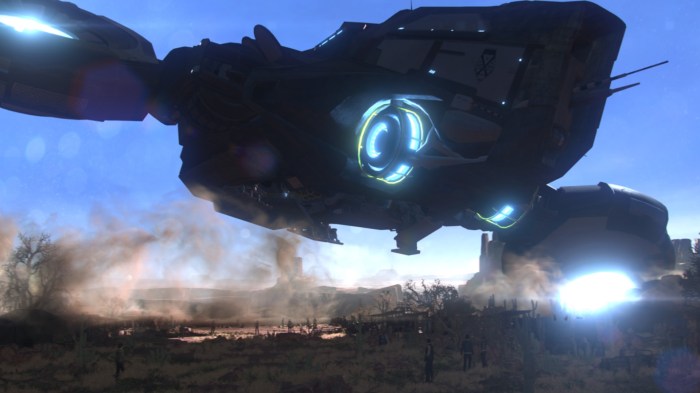
The most involved portion of the game is still the tactics combat component, which has been fundamentally altered by two big changes. The first change is that many missions begin in a concealed state now, reflecting the successful infiltration of enemy positions. The ability of a player to position their units and orchestrate an ambush effectively is extremely important to completing some of the more challenging missions. The second change seems to be largely based on feedback from the first game – time-sensitive missions are now much more common. This prevents players from always being able to be defensive and cautious with their squads. Both of these changes together, combined with new classes and a myriad of other minor tweaks, creates a frantic and fresh new feeling for XCOM 2‘s tactics gameplay.
Though XCOM 2 did experience an early period of technical difficulties that was rapidly addressed, new levels of polish have dramatically improved the player experience. It was expected that XCOM 2 would have an number of quality of life issues, as the first game is somewhat infamous for visual glitches, hanging, and other little problems that worsen a player’s day. Happily, this reviewer’s almost 200 hours of XCOM 2 have shown that many of those issues have been completely addressed. The modding community has been active right out of the gate as well, creating a variety of minor improvements that further streamline the experience. This reviewer assigns some credit to the developer for this due to their strong efforts to involve community feedback and bring back popular mods from XCOM.

The Bad
XCOM 2 still suffers pervasively from balance issues throughout a number of systems. Soldier classes on the whole are incentivized by game statistics and by good play habits to be more long ranged, which undermines the strength of XCOM 2‘s close range classes. Individual character skill trees, though designed to offer multiple options at level up, often have paths that help the character best fulfill the role. These balance issues become more prevalent at higher difficulty levels as well, where tiny details and probability differences can make or break entire campaigns. XCOM 2 was shifted to have more of a focus on aggressive gameplay to fight back against its ticking clock, but close range classes still feel like toys to mess around with rather than assets to your squad.
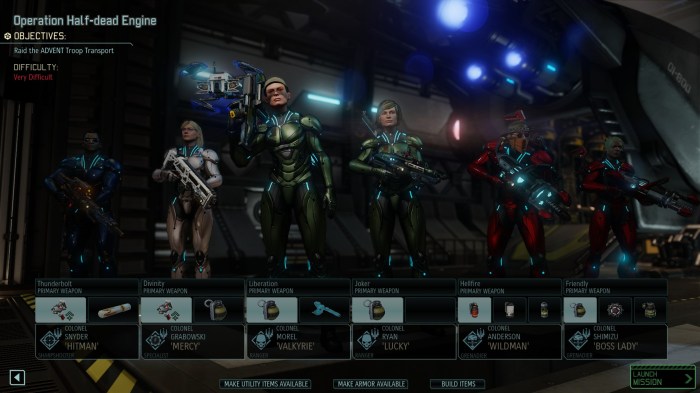
The meta-game still carries with it issues that the first game encountered. The most frustrating aspect of the meta-game is how players are railroaded into certain tech choices by story progression. Rather than be able to focus on taking different routes through the tech tree on different playthroughs, the story always demands the same objectives be completed, which demands the same types of squads capable of the same feats ad infinitum. This means that deviating from a secret subset of optimized tech paths, which becomes less and less possible on higher difficulties, is inadvisable. Though XCOM 2 is by no means a game about exploring the realm of possibilities offered via its systems, randomizing story beats, or making them less dependent on certain technologies, would go a long way towards improving replayability.
The Unique
Perhaps this reviewer may be misguided, but it seems that gamers don’t get that many great tactics or strategy games these days in the high budget realm. The XCOM series continues to slot perfectly into that unexploited niche. The biggest lesson to take from XCOM‘s success though is its approach to the modder community. Firaxis directly involved several prominent modders that developed The Long War, a highly popular variant of the first game’s campaign, in its new direction. They even went so far as to give them pre-release access to expedite their development efforts on a second Long War mod. This created an environment where, upon release, the Steam workshop for XCOM 2 was immediately flooded with free content in the form of new classes, visual customizations, game optimizations, and fun pointless additions. This model is extremely consumer friendly and should be lauded and copied.

XCOM 2 is a game that just about any fan of the genre will appreciate. The vast array of options for play, including DLC, mods, and difficulty levels, creates a toolkit for players to fine tune their experience to an impressive degree.
Just don’t enable the Alien Hunters DLC.

 The Back Burner